The Sustainable Secret: Why Aquaponics is the Future of Nature-Infused Living (and Learning!)

In our fast-paced, digitally-driven world, there's a growing desire to bring a piece of the natural world indoors. We crave the calming green of a leafy plant, the gentle tranquility of an aquarium. But what if you could combine the best of both worlds into one beautiful, self-sustaining ecosystem? What if your home decor could also be a source of fresh food and a powerful learning tool?
Welcome to the world of aquaponics—the sustainable secret that’s changing how we think about indoor gardening and our connection to nature.
What Exactly is Aquaponics? A Mini Ecosystem on Your Desk
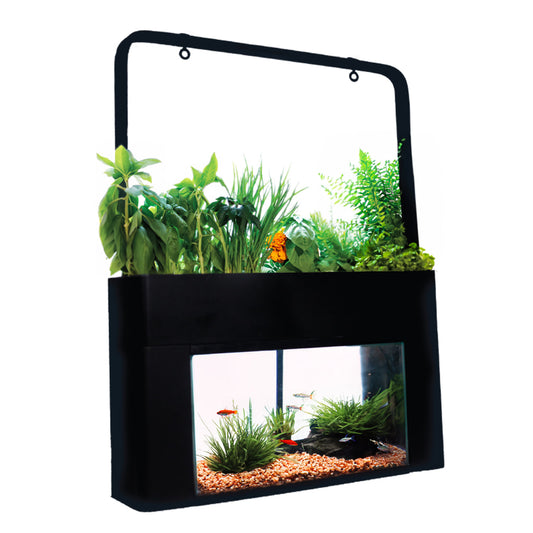
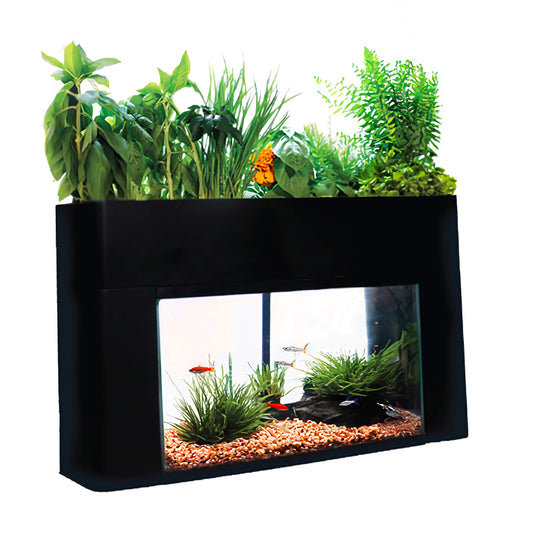
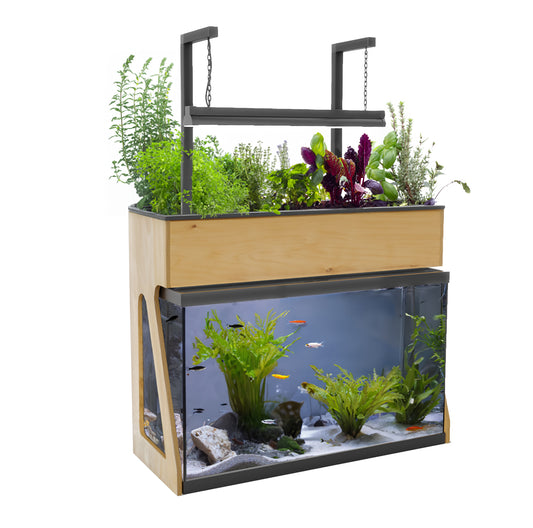
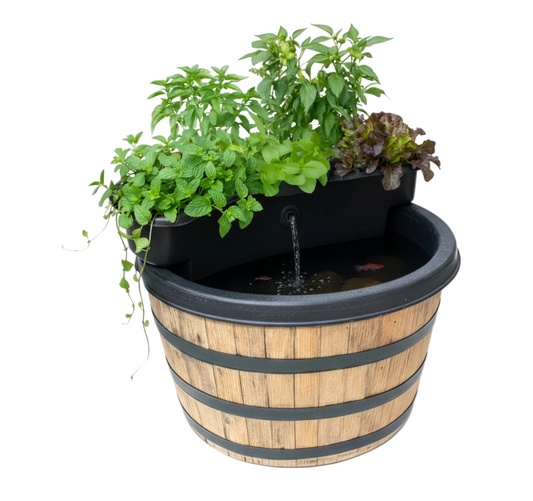
At its heart, aquaponics is a brilliant blend of two well-known practices: aquaculture (raising fish) and hydroponics (growing plants in water without soil). It creates a closed-loop system where fish and plants work together in perfect harmony, just as they do in nature.
The process is simple, elegant, and completely natural:
- Fish Do Their Part: The fish in the aquarium produce waste, which is rich in ammonia. In a regular tank, this ammonia would build up and become toxic.
- Bacteria Get to Work: Beneficial bacteria, which naturally colonize the system's Grow Media, convert the toxic ammonia first into nitrites, and then into nitrates.
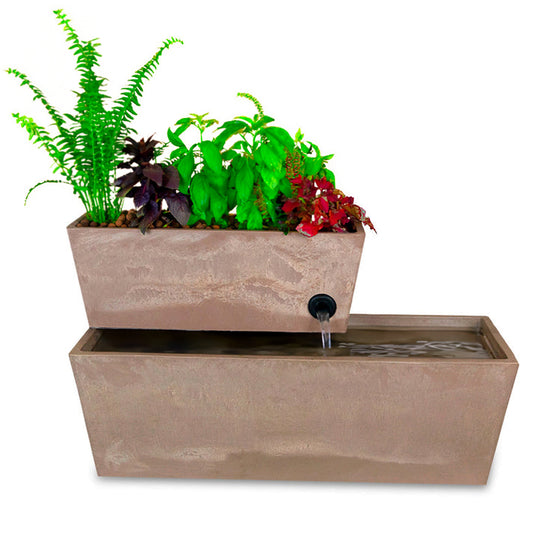
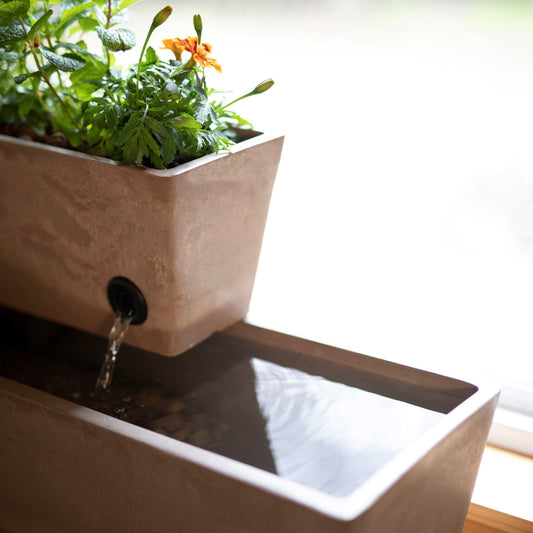
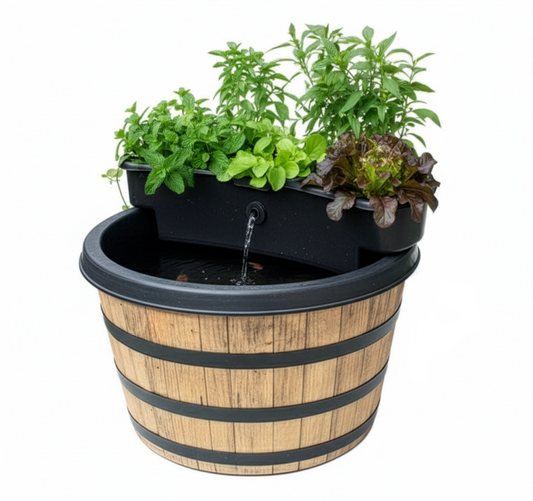
- Plants Get Fed: A pump gently delivers this nitrate-rich water up to the grow bed where the plants are. For the plants, these nitrates are the perfect, all-natural fertilizer.
- Water is Purified: As the plants absorb the nutrients, they effectively filter and clean the water.
- Clean Water Returns: The freshly purified, oxygenated water then flows back down to the fish tank, and the cycle begins again.
This symbiotic relationship means no soil, no chemical fertilizers, and far less maintenance than a traditional aquarium or garden.
The "Sustainable Secret" Unpacked: Why Aquaponics is So Eco-Friendly
The term "sustainable" gets used a lot, but aquaponics truly earns the title. It’s an incredibly efficient way to grow, offering significant environmental benefits over conventional methods.
Dramatic Water Conservation
Because the water is constantly recirculated and cleaned, an aquaponics system uses up to 90% less water than traditional soil-based agriculture. The only water loss is through plant uptake and evaporation, making it a powerful solution for water-conscious living.
Zero Chemical Fertilizers
The fish provide all the nutrients your plants will ever need. This eliminates the need for synthetic fertilizers, which can pollute waterways and soil. With aquaponics, you can be confident that the herbs and greens you grow are as pure and organic as it gets.
Reduced Waste and Footprint
A desktop aquaponics system is a self-contained world. There are no fertilizer bottles to throw away and no soil runoff. It allows you to grow a surprising amount of fresh greens and herbs in a very small space, making it perfect for apartments, classrooms, and urban homes where a traditional garden isn't an option.
Beyond Sustainability: The Lifestyle Benefits of Aquaponics
While its eco-credentials are impressive, the personal benefits of bringing an aquaponics garden into your life are just as compelling.
Living Art for Your Home
An aquaponics garden is a dynamic, ever-changing piece of decor. It’s a beautiful fusion of a lush green garden and a vibrant aquarium—a concept known as biophilic design, which focuses on connecting us with nature to improve well-being. The gentle movement of the fish and the slow, steady growth of the plants create a calming focal point in any room.
A Boost for Mental Wellness
Studies have shown that interacting with nature, even indoors, can reduce stress and improve mood. The simple act of feeding your fish or trimming a fresh sprig of mint for your tea can be a meditative, grounding moment in a busy day. It’s a rewarding hobby that nourishes both body and soul.
Ultra-Fresh Herbs and Greens at Your Fingertips
Imagine snipping fresh basil for your pasta, mint for your mojito, or lettuce for your sandwich—all from your own kitchen counter. The flavor is unparalleled, and the convenience is a game-changer. An AquaSprouts Garden makes this hyper-local, farm-to-table experience accessible to everyone.
A Living Classroom: Aquaponics as a STEM Learning Tool
Perhaps one of the most exciting aspects of aquaponics is its power as an educational tool. For kids and curious adults alike, it’s a hands-on lesson in science that’s far more engaging than any textbook.
A desktop ecosystem provides a tangible way to explore complex concepts:
- Biology: Witness symbiotic relationships, the nitrogen cycle, plant biology, and animal care firsthand.
- Chemistry: Learn about pH balance, nutrient conversion, and the chemical building blocks of life.
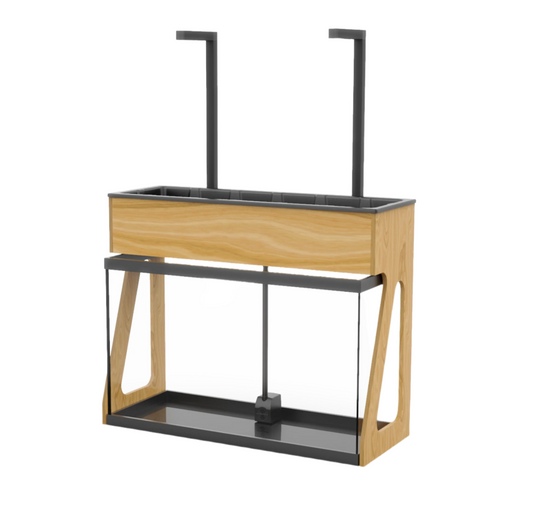
- Engineering: Understand how the mechanics of the Pump & Light Kit create a functioning system that mimics natural water cycles.
- Ecology: Gain a deep, intuitive understanding of sustainability, resource management, and how balanced ecosystems thrive.
It's an unforgettable way to spark a lifelong passion for science and nature, all from the comfort of your home or classroom.
Frequently Asked Questions About Aquaponics
What kind of plants can I grow in an AquaSprouts Garden?
Aquaponics is perfect for growing plants that love water and don't require deep soil. Leafy greens like lettuce and kale, and herbs like basil, mint, parsley, and wheatgrass thrive in our systems. Many people also successfully grow small houseplants like pothos or philodendrons for a purely decorative touch.
Is an aquaponics system hard to maintain?
Not at all! It's actually lower maintenance than a traditional aquarium and a soil garden combined. Your main tasks are feeding your fish daily and occasionally topping off the water due to evaporation. The system does the hard work of fertilizing and cleaning for you. There's no weeding, no soil to change, and water changes are far less frequent than in a standard aquarium.
Does the system smell fishy?
A healthy, balanced aquaponics system should not have any unpleasant odors. It should smell like a fresh, clean garden. The beneficial bacteria and the plant roots are constantly filtering and purifying the water, preventing the waste buildup that causes 'fishy' smells in traditional tanks.
What kind of fish should I use?
For a desktop system like the AquaSprouts Garden, which fits on a standard 10-gallon tank, a Betta fish is a fantastic and beautiful choice. Other great options include small, hardy fish like guppies, mollies, or platies. The key is to choose a fish that is appropriate for the size of your tank.
How long does it take to see results?
You'll see results surprisingly quickly! Seeds can sprout within a few days to a week. For herbs like basil or mint, you can often start harvesting your first leaves within 3-4 weeks. It's a wonderfully rewarding and fast-paced process.
Start Your Journey into Nature-Infused Living
Aquaponics is more than just an innovative way to garden. It’s a lifestyle choice—a small but powerful step toward a more sustainable, beautiful, and connected way of living. It’s a conversation starter, a source of fresh food, a living science lesson, and a daily dose of natural tranquility.
Ready to bring this incredible, self-sustaining ecosystem into your home? Explore the AquaSprouts Garden and start your aquaponics journey today.