Beyond the Pump: Your Guide to the Essential Plumbing Types in Aquaponics

At the heart of every thriving aquaponics system is a silent, elegant dance. It’s a continuous loop where fish, plants, and beneficial microbes work in perfect harmony. But what orchestrates this beautiful symbiosis? It’s not just the fish or the plants—it’s the plumbing. The network of tubes, siphons, and pumps is the circulatory system of your miniature ecosystem, delivering life-giving nutrients and returning purified water.
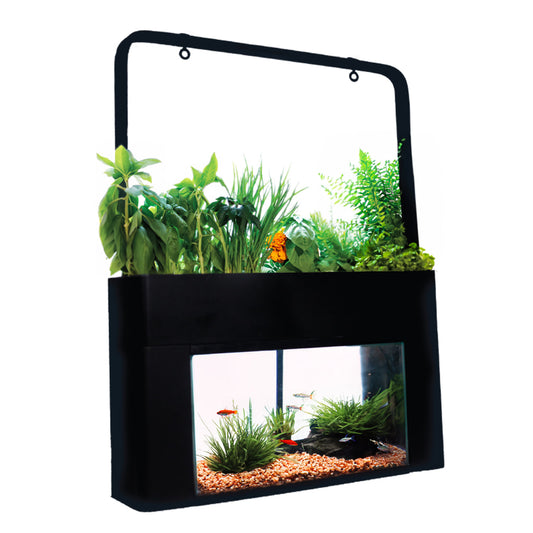
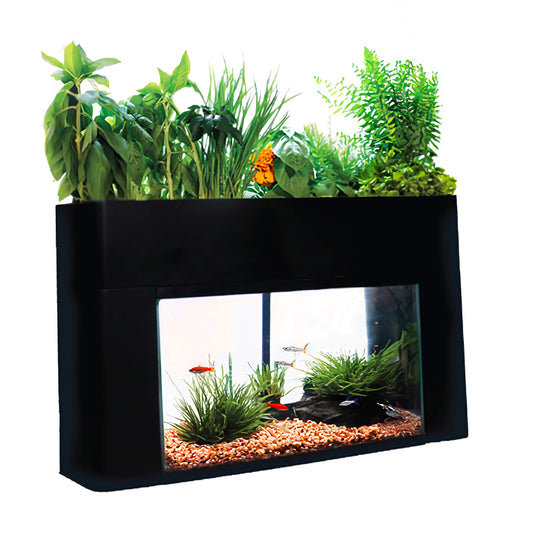
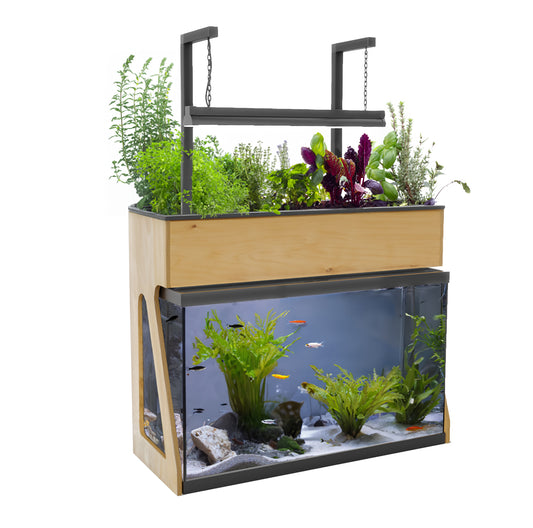
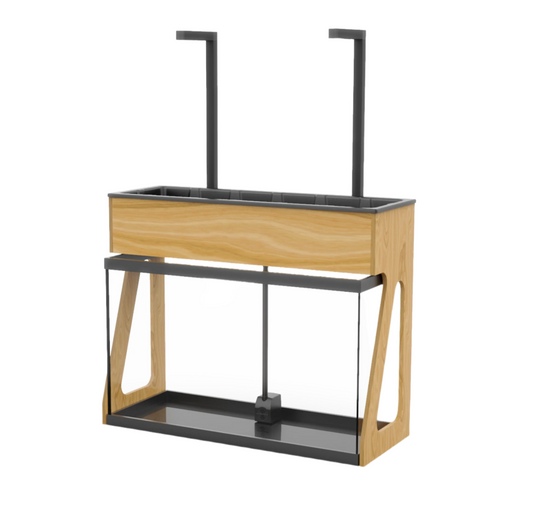
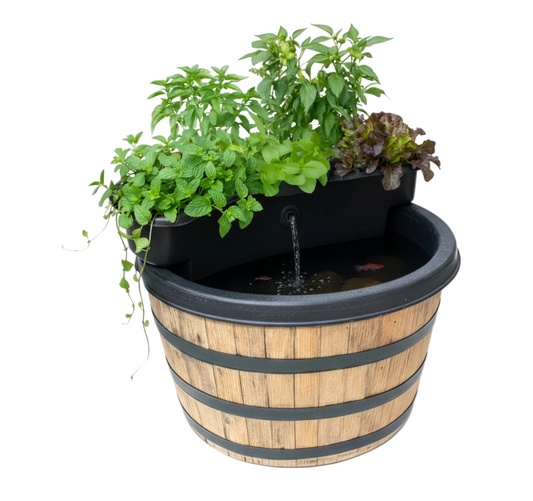
Understanding the fundamentals of aquaponics plumbing empowers you to not only troubleshoot your system but also to appreciate the genius of its design. Whether you're a curious beginner, a STEM educator looking for a hands-on project, or someone passionate about sustainable living, this guide will demystify the flow of water and help you choose the right setup for your journey. We'll explore the most common system types, break down how they work, and show you how a well-designed kit like the AquaSprouts Garden makes it all beautifully simple.
What is Aquaponics Plumbing and Why Does it Matter?
Think of aquaponics plumbing as the infrastructure of your ecosystem. Its primary job is to move water from the fish tank, where nutrients are produced, to the grow bed, where plants absorb them, and finally, to cycle that freshly cleaned water back to the fish. This constant circulation is critical for three reasons:
- Nutrient Delivery: Fish waste is rich in ammonia, which beneficial bacteria convert into nitrates—a perfect fertilizer for plants. The plumbing is the delivery service that brings this nutrient-rich water directly to the plant roots.
- Natural Filtration: As plants absorb these nitrates, they effectively clean and filter the water. This means your fish get to live in a pristine environment, eliminating the need for frequent water changes common in traditional aquariums.
- Oxygenation: The movement, splashing, and draining of water introduces oxygen into the system. This aeration is vital for healthy plant roots and, of course, for your fish to breathe.
At the center of it all is a small, efficient submersible pump. It's the tireless heart of your aquaponics garden, initiating the cycle that sustains the entire system. But as we'll see, how the water moves *after* it leaves the pump is what truly defines the type of system you have.
The Core Aquaponics System Types (Defined by Their Plumbing)
While all aquaponics follows the same basic principles, the method of water delivery gives rise to several distinct system types. Each has its own unique plumbing design, with specific advantages for different plants and environments.
1. Media-Based Aquaponics (Ebb & Flow / Flood and Drain)
This is arguably the most popular and beginner-friendly method—and it's the brilliant system we use in the AquaSprouts Garden. It beautifully mimics the natural cycle of a riverbank or tidal marsh.
How It Works:
In a media-based system, the grow bed is filled with a porous, inert growing medium, such as our expanded clay pebbles. The pump pushes water up from the fish tank to flood the grow bed. This "flood" cycle submerges the plant roots, giving them access to water and nutrients. Once the water reaches a certain height, a clever device called an auto-siphon kicks in, rapidly draining the water back into the fish tank. This "ebb" or "drain" cycle draws fresh oxygen down into the root zone, preventing rot and promoting strong growth.
The Plumbing Star: The Auto-Siphon
The magic of a media-based system is the auto-siphon (often a bell siphon). It's a simple, yet ingenious, piece of plumbing that uses the laws of physics—no electricity or moving parts needed—to create the flood and drain cycle. As water fills the grow bed, it rises within a protective media guard and up the main siphon pipe. When it reaches the top of the "bell," it creates a vacuum that starts the siphoning process, pulling all the water out until air breaks the suction, and the cycle begins again. It’s a reliable, self-regulating mechanism that provides perfect conditions for both plants and the beneficial bacteria living in the grow media.
- Pros: Excellent three-stage filtration (mechanical, biological, and chemical) happens in one place. Simple to set up and maintain. Supports a wide variety of plants, including fruiting ones like tomatoes and peppers. Very stable and forgiving for beginners.
- Cons: The grow media can be heavy, and the siphon can sometimes get clogged if solid waste is excessive.
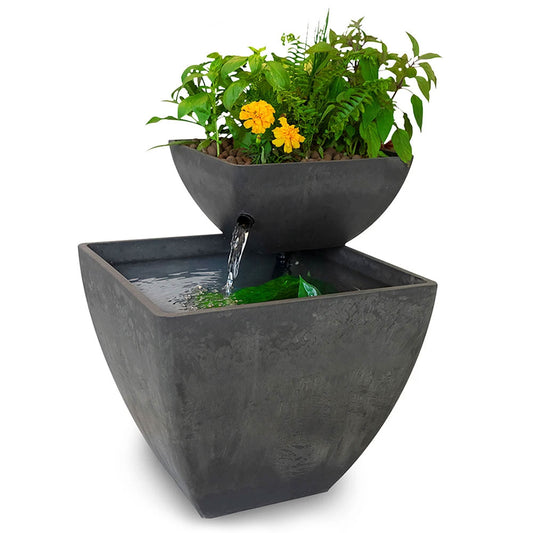
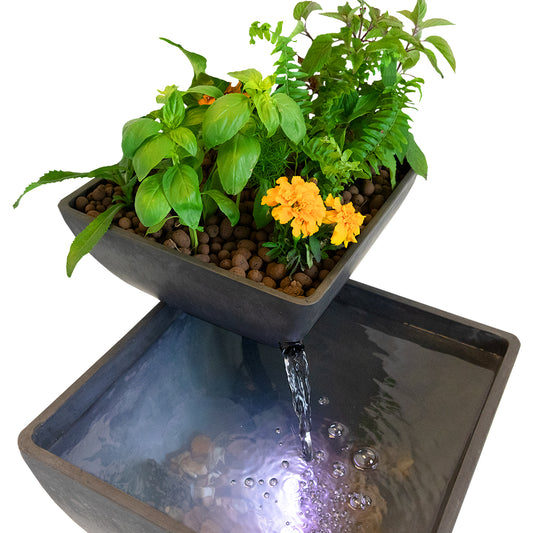
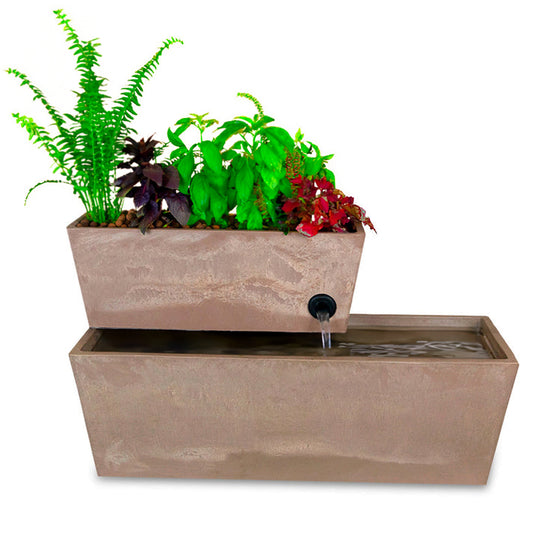
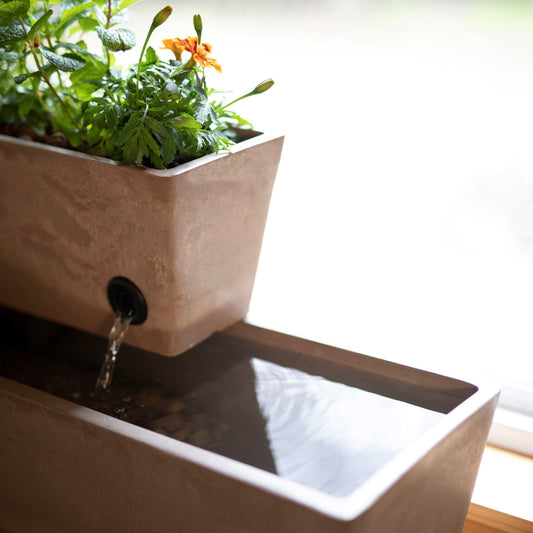
For home, office, or classroom use, the media-based system is a clear winner for its robustness and all-in-one design, which is why we've perfected it for our entire range of gardens, from the compact AquaSprouts Fountain to the larger 29-gallon model.
2. Raft System / Deep Water Culture (DWC)
Imagine a tranquil pond where plants float serenely on the surface, their roots dangling in the nutrient-rich water below. That's the essence of a Deep Water Culture (DWC) or Raft System.
How It Works:
In a DWC system, plants are placed in net pots which are then set into buoyant rafts (like foam boards). These rafts float on top of the water in a trough or "raft bed" that is separate from the fish tank. The plumbing is relatively simple: water is continuously pumped from the fish tank, through a filtration system to remove solid waste, and into the raft bed. It then flows slowly through the bed, nourishing the plant roots, and returns to the fish tank via a gravity-fed drain on the other side. Because the roots are always submerged, additional aeration via air stones is crucial to provide enough oxygen.
- Pros: Excellent for growing fast-growing, water-loving leafy greens like lettuce, spinach, and basil. Harvesting is easy—just lift the raft. Plant roots have constant access to water and nutrients.
- Cons: Requires separate filtration systems to handle solid waste, as there's no media to break it down. Water temperature can be harder to regulate, and it's less suitable for large, fruiting plants.
3. Nutrient Film Technique (NFT)
Nutrient Film Technique is a popular method in commercial hydroponics that has been adapted for aquaponics. It’s designed for maximum efficiency in a controlled environment.
How It Works:
In an NFT system, plants are placed in net pots in a series of sloped, enclosed channels, often made from PVC pipes. The plumbing creates a very thin, continuous "film" of nutrient-rich water that flows down the channel, flowing over the tips of the bare plant roots. This constant but shallow stream provides nutrients and moisture without depriving the roots of oxygen. The water is collected at the end of the channel and returned to the fish tank.
- Pros: Highly water-efficient as very little is lost to evaporation. Ideal for commercial-scale production of lightweight plants like herbs and lettuces.
- Cons: The plumbing is highly susceptible to clogs from fish waste or root growth, which can be catastrophic. It is also completely dependent on the pump—if the pump fails, roots can dry out and die in minutes. Not suitable for heavy plants with large root systems.
4. Vertical Aquaponics
When floor space is limited, the only way to go is up! Vertical aquaponics applies the principles of DWC or NFT in a vertical orientation to maximize growing capacity in a small footprint.
How It Works:
The plumbing for vertical systems involves pumping water from the fish tank to the very top of a stacked tower or series of channels. Gravity then does the rest, allowing the water to trickle down through the system, nourishing the plant roots at each level before collecting at the bottom and returning to the tank. This is a common sight in urban farms and for indoor gardeners with limited space.
- Pros: Incredibly space-efficient. Can produce a large yield in a small area. Makes a stunning visual statement.
- Cons: Can be challenging to ensure even distribution of water and light to all plants. The pump needs to be powerful enough to lift water to the top of the system.
Choosing the Right Plumbing for Your Aquaponics Journey
So, which system is right for you? For commercial growers, the efficiency of NFT or DWC might be appealing. But for the home, classroom, or office, the choice is clear.
The AquaSprouts Solution: Simple, Elegant, and Effective.
The media-based flood and drain system provides the perfect balance of simplicity, stability, and natural filtration. It’s an integrated ecosystem where the grow bed acts as the garden, the filter, and the biological engine all in one. There's no need for separate swirl filters or mineralization tanks—it's all handled organically within the clay pebbles.
This is why we've built our entire ecosystem around this proven method. We've taken the complexity out of aquaponics plumbing so you can focus on the joy of growing. The AquaSprouts Education Kit and our standard gardens are designed to be assembled in minutes, creating a reliable, self-sustaining world that serves as a powerful STEM lesson and a source of fresh, healthy food.
Conclusion: Embrace the Flow
The plumbing of an aquaponics system is more than just pipes and a pump; it's the lifeblood that connects and sustains your miniature ecosystem. From the rhythmic pulse of a media-based system to the gentle current of a DWC trough, each design offers a unique way to harness the power of nature.
By understanding these core principles, you gain a deeper appreciation for the elegant cycle of life happening right on your countertop or in your classroom. Ready to start your own journey without the plumbing headaches? Explore the world of AquaSprouts and discover how easy and rewarding it can be to grow with the flow.
Shop our collection of aquaponics gardens today!
Frequently Asked Questions About Aquaponics Plumbing
What is the best aquaponics system for a beginner?
For beginners, a media-based (flood and drain) system is highly recommended. Its all-in-one design combines the grow bed and the filter, making it much simpler to set up and maintain. It's more forgiving of minor imbalances and supports a wider variety of plants, making it a perfect starting point. The AquaSprouts Garden is an ideal example of a beginner-friendly media-based system.
How does an auto-siphon work without electricity?
An auto-siphon, or bell siphon, is a brilliant device that uses basic physics. As water fills the grow bed, it rises and traps air inside a "bell." When the water level reaches the top of a standpipe inside the bell, it creates a suction effect that starts a siphon, rapidly pulling water down the drain. The process stops when the water level drops low enough to let air in, breaking the siphon. This all happens automatically with the force of gravity and water pressure—no moving parts required!
Can I combine different aquaponics plumbing types?
Yes! These are called hybrid systems. A common hybrid setup involves running water from the fish tank through a media-based grow bed first (to act as a solids filter) and then directing that cleaner water into a DWC raft system or NFT channels. This allows you to leverage the benefits of different systems simultaneously.
How often should I clean my aquaponics plumbing?
This depends on your system and stocking density. In a well-balanced media-based system like the AquaSprouts Garden, the grow media does an excellent job of breaking down waste, so you rarely need to clean the main plumbing. However, it's good practice to periodically check that your pump intake and siphon are free of debris. In NFT and DWC systems, which lack a media filter, you may need to clean pipes and channels more regularly to prevent clogs.