Beyond the Textbook: Hands-On STEM with Wisconsin Fast Plants & the AquaSprouts Aquaponic Garden

In an age where understanding science, technology, engineering, and mathematics (STEM) is more crucial than ever, traditional classroom methods often fall short of igniting true curiosity. Rote memorization can't compete with the thrill of discovery. What if learning could be an immersive, living experience right on your desk or in your classroom? Enter the powerful combination of Wisconsin Fast Plants and the AquaSprouts Aquaponic Garden.
This dynamic duo offers a unique, hands-on approach to STEM education, bringing complex biological and ecological principles to life. Imagine watching an entire plant life cycle unfold in just a few weeks, all while observing a thriving aquatic ecosystem. That's the magic of aquaponics, supercharged with the rapid growth of Fast Plants.
What Makes Wisconsin Fast Plants So Special?
At the heart of this educational adventure are Wisconsin Fast Plants, a remarkable variety of Brassica rapa developed at the University of Wisconsin–Madison. These plants are genetic superstars, specifically bred for their incredibly rapid life cycle. How rapid, you ask? They can go from seed to flower in as little as 13 to 17 days, and complete their entire life cycle, producing new seeds, in just 30 to 40 days. This accelerated growth makes them an unparalleled tool for educational settings. Students and enthusiasts alike can observe germination, root development, stem elongation, flowering, pollination, and seed formation in a fraction of the time required by most other plants. Their compact size also makes them perfect for desktop setups and limited spaces, fitting perfectly within the AquaSprouts Garden's design.
Key Characteristics of Wisconsin Fast Plants for Study:
- Rapid Life Cycle: Observe an entire plant generation in weeks, not months.
- High Germination Rate: Ensures consistent results for experiments.
- Compact Size: Ideal for indoor cultivation and small spaces.
- Ease of Pollination: Large, accessible flowers make hand-pollination simple for genetics studies.
- Genetic Variation: Different strains allow for studies in inheritance and traits.
AquaSprouts: Your Living STEM Laboratory
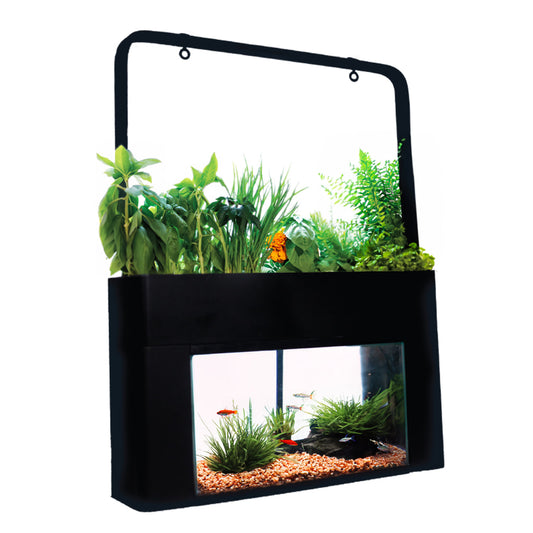
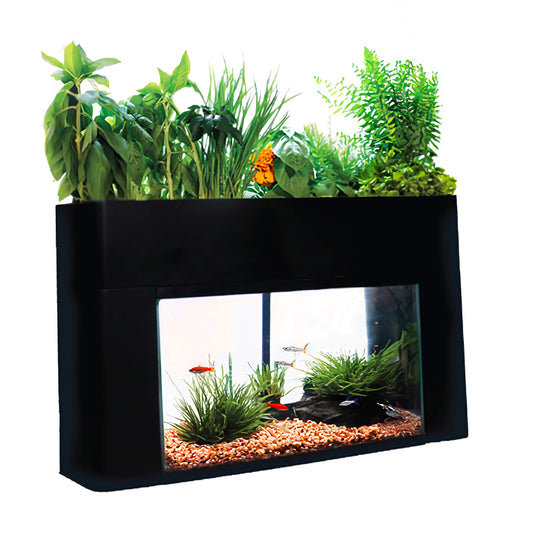
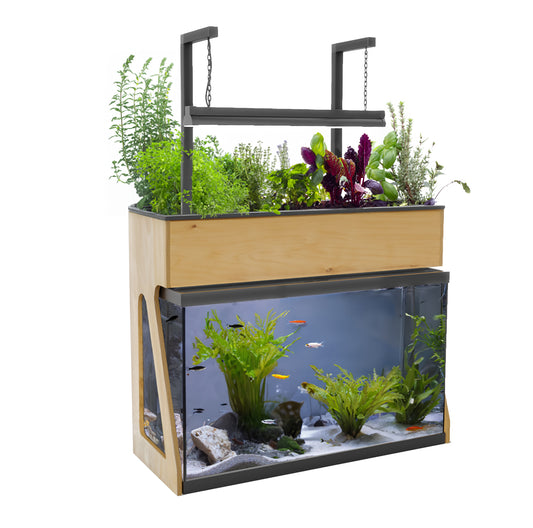
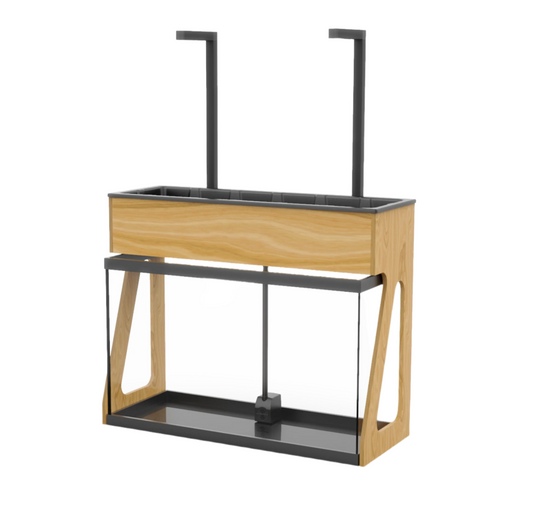
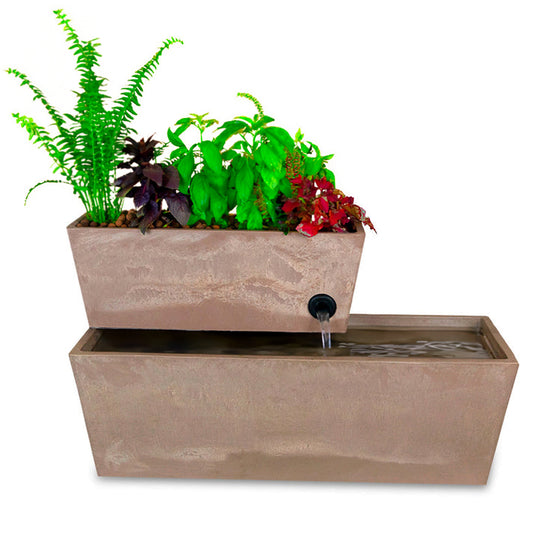
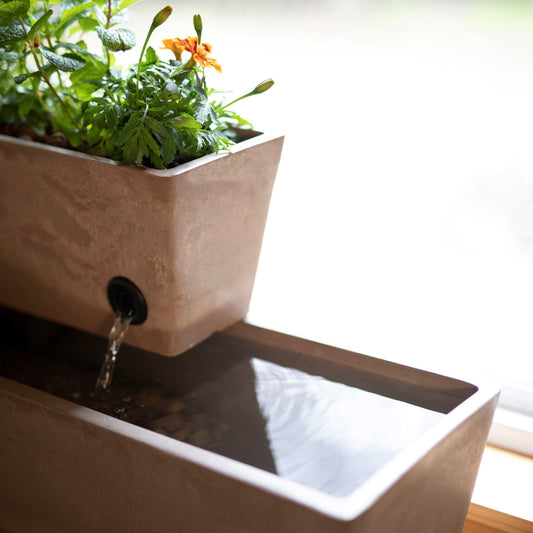
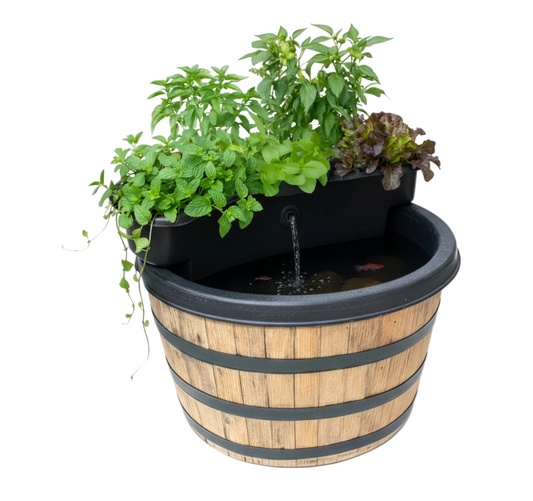
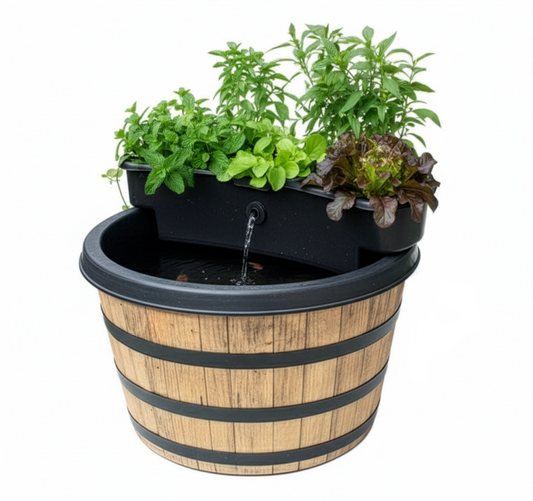
The AquaSprouts Garden transforms any standard 10-gallon or 20-gallon aquarium into a self-sustaining aquaponic system. It’s more than just an indoor garden; it’s a living, breathing ecosystem that demonstrates the interconnectedness of nature. Aquaponics combines aquaculture (raising aquatic animals) with hydroponics (growing plants without soil). In an AquaSprouts system, fish waste provides essential nutrients for the plants, and in turn, the plants naturally filter the water, keeping it clean for the fish. It's a beautiful, symbiotic cycle.
This innovative design creates an ideal environment for Wisconsin Fast Plants. Without the constraints of soil, their roots can efficiently absorb the nutrient-rich water flowing from the fish tank below. This direct nutrient delivery, combined with adequate light from an AquaSprouts LED Grow Light, creates an optimal environment for their accelerated growth, allowing for fascinating observations.
Bringing STEM to Life: Experiments with Fast Plants & AquaSprouts
The combination of Fast Plants and the AquaSprouts Garden provides a fertile ground for exploring a wide array of STEM principles. Here are just a few examples of engaging activities and experiments:
Biology in Action:
- Life Cycle Observation: Track the complete life cycle of Fast Plants, from seed germination to flowering and seed production. Document growth stages, measure plant height, and observe changes in leaf structure.
- Ecosystem Dynamics: Study the symbiotic relationship between fish and plants. How does fish waste impact plant growth? How do plants contribute to water quality for the fish?
- Genetics and Inheritance: Explore genetic traits by cross-pollinating different strains of Fast Plants (e.g., those with purple stems vs. green stems) and observing the traits in subsequent generations.
Chemistry Unveiled:
- Water Quality Testing: Regularly test the pH, ammonia, nitrite, and nitrate levels in the fish tank. Observe how plants utilize nitrates as a primary nutrient, demonstrating the nitrogen cycle firsthand.
- Nutrient Uptake: Experiment with different nutrient concentrations (if supplementing, though typically not needed with healthy fish populations) and observe their effect on plant growth and health.
Engineering & Design Principles:
- System Setup and Maintenance: Understand the basic engineering behind the pump and filtration system that circulates water. Learn about routine maintenance to ensure optimal system function. You can find essential components like AquaSprouts pumps and Grow Media (clay pebbles) to maintain your system.
- Problem-Solving: Troubleshoot common issues like algae growth or nutrient imbalances, fostering critical thinking and practical problem-solving skills.
Environmental Science & Sustainability:
- Closed-Loop Systems: Learn about the efficiency of aquaponics as a sustainable food production method, using significantly less water than traditional agriculture.
- Resource Conservation: Discuss the importance of reducing waste and recycling nutrients within an ecosystem.
The Benefits for Learners and Educators
Beyond the specific scientific concepts, integrating Wisconsin Fast Plants with an AquaSprouts Garden offers profound benefits for learners of all ages:
- Enhanced Engagement: The hands-on, living nature of the system captures attention and fosters a deep sense of wonder and responsibility.
- Critical Thinking: Students develop observation skills, data collection methods, and analytical thinking as they track growth, test water, and draw conclusions.
- Real-World Relevance: Concepts learned become tangible and applicable, moving beyond abstract textbook definitions.
- STEM Career Inspiration: Exposure to biological systems, engineering design, and environmental science can spark interest in future STEM fields.
- Sustainable Living Awareness: Cultivates an understanding and appreciation for sustainable practices and ecological balance.
Getting Started with Your AquaSprouts & Fast Plants STEM Journey
Embarking on this exciting educational journey is straightforward. The AquaSprouts Aquaponics Education Kit or any AquaSprouts Garden kit provides everything you need to begin your aquaponic adventure. Simply set up your system, introduce your fish (small, hardy species are best), and plant your Wisconsin Fast Plant seeds in the grow media. With minimal effort, you’ll be ready to observe, experiment, and learn.
Whether you're an educator looking for an innovative classroom tool, a homeschooling parent seeking engaging science activities, or an individual passionate about sustainable living and hands-on learning, the AquaSprouts Garden with Wisconsin Fast Plants offers an unparalleled opportunity to explore the wonders of STEM.
Conclusion
Moving beyond theoretical learning, the AquaSprouts Aquaponic Garden combined with the remarkable Wisconsin Fast Plants offers a vibrant, interactive platform for STEM education. It’s a testament to how living systems can provide rich, multidisciplinary learning experiences that resonate long after the textbook is closed. Dive into the world of aquaponics and watch curiosity grow!
Frequently Asked Questions (FAQ)
What are Wisconsin Fast Plants?
Wisconsin Fast Plants are a special variety of Brassica rapa, developed at the University of Wisconsin–Madison, known for their rapid life cycle. They can go from seed to flower in as little as 13-17 days, making them ideal for observing plant growth, genetics, and life cycles in a classroom or home setting.
How does an AquaSprouts Garden work with Fast Plants?
The AquaSprouts Garden utilizes aquaponics, a symbiotic relationship where fish waste provides nutrients for plants, and plants naturally filter the water for the fish. Fast Plants thrive in this nutrient-rich, soilless environment, allowing for rapid growth and easy observation of their entire life cycle. The grow bed provides the ideal media for roots, while the fish tank below provides the natural fertilization.
What STEM concepts can be taught using AquaSprouts and Fast Plants?
This combination offers a rich platform for STEM education, covering biology (plant and fish anatomy, ecosystems, nutrient cycles), chemistry (water quality, pH, dissolved nutrients), environmental science (sustainability, closed-loop systems), and even basic engineering principles (system setup, troubleshooting). Learners can conduct experiments on light, nutrient levels, and observe life cycles firsthand.
Is the AquaSprouts Garden suitable for all ages?
Yes, the AquaSprouts Garden is designed to be accessible and engaging for a wide range of ages, from elementary school students to adults. Its self-sustaining nature makes it relatively low-maintenance, while the inherent biological processes provide endless opportunities for observation, experimentation, and learning at various levels of complexity.
Where can I buy Wisconsin Fast Plant seeds?
Wisconsin Fast Plant seeds are widely available from educational suppliers and specialized seed companies online. Look for kits specifically designed for classroom use or individual seed packets.