Educators' Essential Guide: Hands-On Aquaponics Science Activities for Dynamic Learning

Why Aquaponics is a Game-Changer for STEM Education
In today's dynamic educational landscape, the greatest challenge is often bridging the gap between abstract scientific principles and tangible, real-world experience. How do you make the nitrogen cycle memorable? How do you illustrate a symbiotic ecosystem in a way a student can see, touch, and measure? The answer is simpler and more elegant than you might think: bring a living ecosystem directly into your classroom with aquaponics.
Aquaponics is a revolutionary model of sustainability, a closed-loop system where fish and plants live in a mutually beneficial relationship. In essence, the fish provide natural fertilizer for the plants, and the plants, in turn, clean the water for the fish. It's a living, breathing demonstration of biology, chemistry, and environmental science rolled into one captivating package.
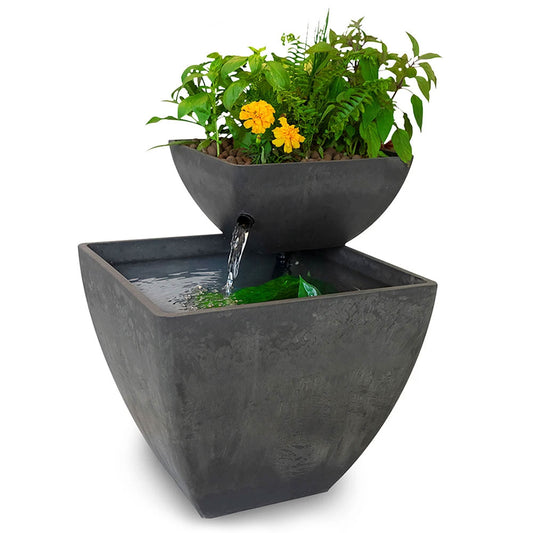
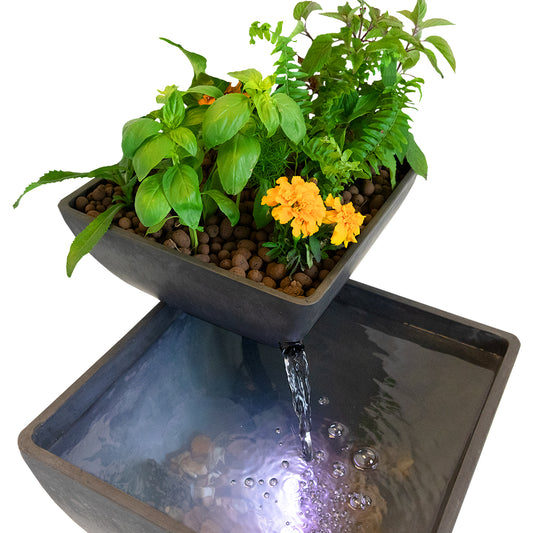
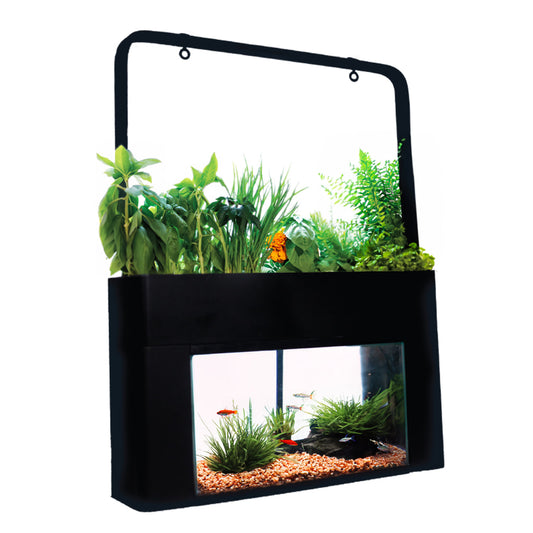
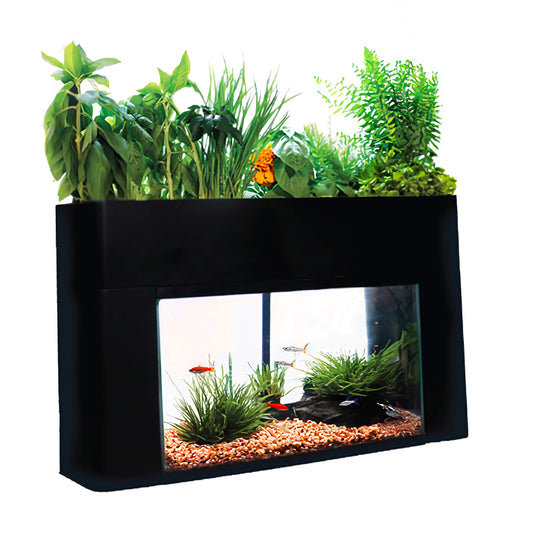
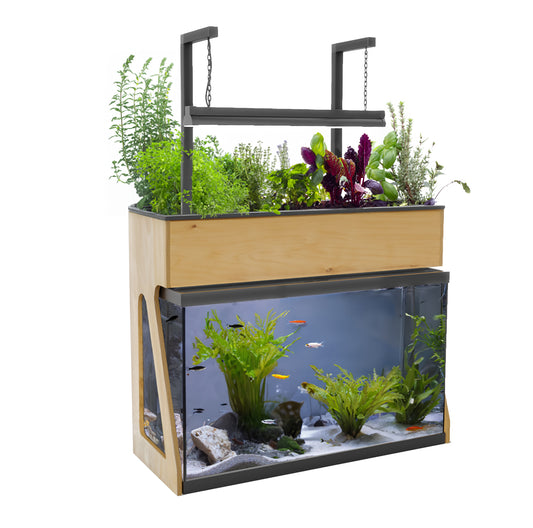
For an educator, a desktop aquaponics system like the AquaSprouts Garden isn't just a decoration; it's a dynamic teaching tool. It transforms your classroom into a living laboratory, inviting students to move beyond textbooks and engage directly with complex ecological concepts. It's a hands-on, inquiry-based learning hub that fosters curiosity, critical thinking, and a deep, intuitive understanding of the natural world.
The Core Science Concepts Behind Aquaponics
Before diving into classroom activities, it's essential to grasp the fundamental scientific principles that make aquaponics work. Understanding these concepts will empower you to guide your students' discovery process effectively.
The Nitrogen Cycle in Action
This is the cornerstone of aquaponics. While the full nitrogen cycle can be complex, an aquaponics system beautifully simplifies it into three observable steps:
- Ammonia Production: The fish are the starting point. Like all living creatures, they excrete waste. This waste, along with any uneaten food, breaks down and releases ammonia (NH3) into the water. In high concentrations, ammonia is toxic to fish.
- Nitrification (The Bacterial Powerhouse): This is the magic step performed by unseen allies. Beneficial bacteria colonize the surfaces within the system, especially the porous Grow Media where the plants reside. The first set of bacteria (Nitrosomonas) converts the toxic ammonia into nitrites (NO2-), which are still harmful to fish.
- Nitrate Conversion and Plant Uptake: A second type of beneficial bacteria (Nitrobacter) quickly converts the nitrites into nitrates (NO3-). Nitrates are a fantastic, readily available source of nitrogen for plants—their primary food! The plant roots absorb these nitrates, effectively filtering and cleaning the water, which is then returned to the fish tank, clean and safe.
Symbiosis and Ecosystem Dynamics
Your aquaponics setup is a perfect example of mutualistic symbiosis. It's an ecosystem in miniature where every component works together for the benefit of the whole. The fish provide nutrients for the plants, the plants clean the water for the fish, and the bacteria bridge the gap between them. This living model allows students to explore concepts like food webs, nutrient cycling, interdependence, and the delicate balance required to maintain a healthy ecosystem.
Plant Biology and Photosynthesis
The "ponics" part of aquaponics is all about the plants. Students can observe the entire plant life cycle, from seed germination to mature growth. This is a perfect opportunity to discuss photosynthesis: how plants use light, water, and carbon dioxide to create energy. The quality and duration of light are critical, which is why an integrated solution like the AquaSprouts LED Grow Light ensures your classroom garden thrives, even in rooms with little natural sunlight. Students can observe root development, leaf growth, and learn firsthand what plants need to flourish.
Water Chemistry and Quality
Aquaponics provides a safe and controlled environment to introduce students to water chemistry. Key parameters like pH, ammonia, nitrites, and nitrates are not just abstract numbers in a textbook; they are measurable data points that directly impact the health of the living things in the system. Regular water testing becomes a practical and vital part of managing the ecosystem.
Engaging Aquaponics Activities for Every Grade Level
The true beauty of a classroom aquaponics system is its versatility. It can be adapted to teach a wide range of concepts, from simple observation for young learners to complex experimental design for high schoolers.
Elementary School (Grades K-5): Observation and Discovery
At this stage, the focus is on fostering curiosity, observation skills, and a basic understanding of life cycles and needs.
- Activity 1: Ecosystem Diary: Provide each student with a journal. Once a week, they can draw the aquaponics system, noting any changes. How tall are the plants? Are there new leaves? How is the fish behaving? This encourages close observation and introduces the concept of change over time.
- Activity 2: The "What Do Plants Eat?" Experiment: Start a class discussion about what plants need to grow. After explaining how the fish help feed the plants, students can compare the growth of plants in the aquaponics system to a control plant just growing in plain water, leading to a visible "aha!" moment.
- Activity 3: Measuring Growth: Armed with rulers and simple charts, students can measure the height of the plants each week. They can create a bar graph to visually represent the growth, integrating basic math skills into their science lesson.
Middle School (Grades 6-8): Data Collection and Analysis
Middle school students are ready for more quantitative analysis. They can begin to understand the invisible processes at work and use data to draw conclusions.
- Activity 1: Water Quality Detectives: This is a cornerstone activity. Using a standard aquarium water testing kit, students can measure pH, ammonia, nitrite, and nitrate levels weekly. They can chart these four variables on a graph over 6-8 weeks. They will physically see the ammonia spike, then the nitrite spike, and finally the nitrate level rise as the plant growth takes off. This makes the nitrogen cycle tangible and unforgettable.
- Activity 2: The Carbon Cycle Connection: Broaden the scope from just nitrogen. Lead a discussion on the carbon cycle. Students can hypothesize how the fish (releasing CO2 through respiration) and the plants (absorbing CO2 for photosynthesis) are part of this larger cycle.
- Activity 3: Calculating Growth Rates: Students can advance beyond simple measurement to calculate the rate of plant growth (e.g., centimeters per day). They can compare the growth rates of different plant species—like lettuce versus basil—in our Grow Plugs, introducing concepts of experimental variables.
High School (Grades 9-12): Experimentation and Engineering
High school students can take the lead, using the aquaponics system to design and conduct their own controlled experiments.
-
Activity 1: Independent Variable Experiments: Challenge students to design an experiment by changing one variable and measuring the outcome. For example:
- Light: How does changing the duration of light (using the timer on the Pump & Light Kit) affect the growth rate or leaf size of lettuce?
- Nutrients: How does the number of fish or the amount they are fed correlate with the nitrate levels in the water and subsequent plant growth?
- Plant Density: How does planting one seed versus three seeds in a single pod affect the final biomass of the plants?
- Activity 2: Ecosystem Modeling and Stoichiometry: Students can create a detailed diagram modeling the flow of energy and nutrients through the system. Advanced chemistry students can even delve into the stoichiometry of the nitrification process, balancing the chemical equations for the conversion of ammonia to nitrate.
- Activity 3: Problem-Solving and Engineering: Present the students with a challenge. What if the pH is too high or too low? Students can research and implement safe methods for buffering the pH and document the effects on the system's health. This introduces them to real-world problem-solving and system management.
Setting Up Your Classroom Aquaponics System with AquaSprouts
Bringing this powerful learning tool into your classroom is easier than you think. A self-contained, desktop system is the perfect solution for an educational setting.
Why Choose a Desktop System?
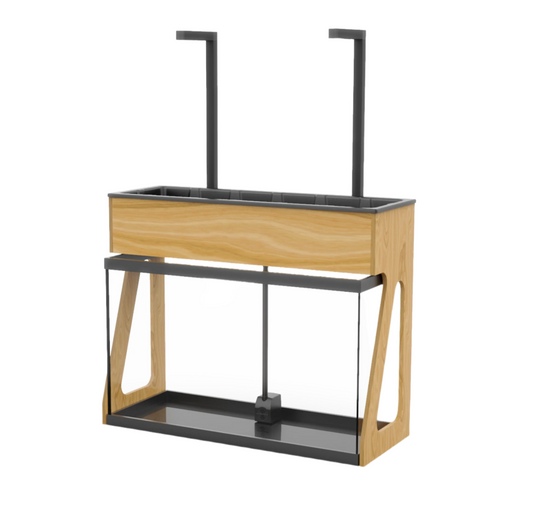
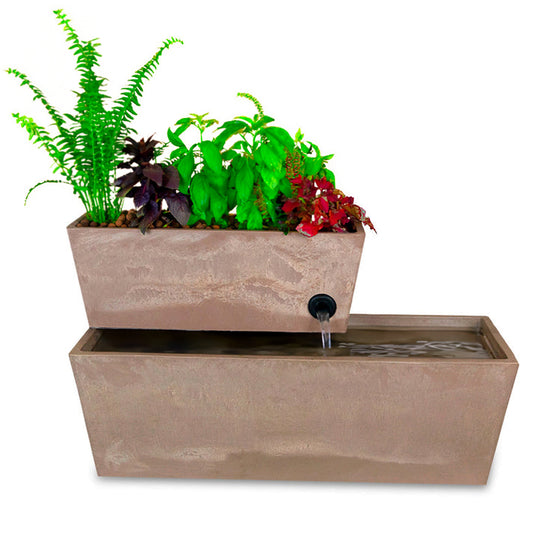
An integrated kit like the AquaSprouts Garden is ideal for the classroom because it's space-efficient, easy to assemble, and designed for safety and simplicity. It fits on a standard 10-gallon aquarium, which is readily available and manageable. The all-in-one design ensures you have everything you need to get started without complex plumbing or engineering.
Step-by-Step Classroom Setup
- Assembly: The AquaSprouts Garden can be assembled in minutes. It's a great initial activity to do with a small group of students.
- Choose Your Fish: A single Betta fish is a popular and beautiful choice for a 10-gallon tank. They are hardy and require minimal care. Other options include guppies or small danios.
- Choose Your Plants: Start with easy, fast-growing plants. Leafy greens (lettuce, kale), herbs (basil, mint, parsley), and wheatgrass are excellent choices that yield visible results quickly.
- Cycle the System: This is a crucial first lesson in patience and biology! You must run the system with the fish for a few weeks before adding plants. This allows the beneficial bacteria colony to establish itself. Use this time for your first few weeks of water quality testing to watch the nitrogen cycle begin!
Beyond STEM: Cross-Curricular Connections
The learning potential of an aquaponics system doesn't stop at science. It's a fantastic anchor for a variety of subjects.
- Language Arts: Students can practice descriptive and expository writing in their observation journals, write research papers on sustainable agriculture, or prepare oral presentations about their experiments.
- Social Studies: Explore the history of agriculture, from ancient aquaponic-like systems such as the Aztec chinampas to modern-day challenges of food security and sustainable farming.
- Art: The system is a beautiful, living subject for observational drawings, paintings, or time-lapse photography projects documenting plant growth.
Cultivating Curiosity, One Sprout at a Time
An aquaponics system does more than just teach science; it teaches responsibility, patience, and the profound interconnectedness of living systems. It empowers students to become caretakers of their own tiny ecosystem, giving them a sense of ownership over their learning. Watching a seed they planted sprout and grow, knowing it's being nourished by a fish they care for, is a powerful lesson that no textbook can replicate.
It's a journey of discovery that sparks questions, encourages experimentation, and cultivates a generation of students who are not just scientifically literate, but also environmentally conscious. Ready to bring a living ecosystem into your classroom? Explore the AquaSprouts Garden and see how easy it is to plant the seeds of lifelong learning.
Frequently Asked Questions from Educators
How much maintenance does a classroom aquaponics system require?
Once established, the system is surprisingly low-maintenance. Daily tasks take only a minute: feeding the fish and checking on the plants. A weekly check (about 15-20 minutes) is recommended for water testing and topping off any evaporated water. It's far less work than a traditional aquarium because the plants do the heavy lifting of filtration.
What are the best plants to grow in an AquaSprouts system?
For a classroom setting, we recommend starting with plants that grow quickly to keep students engaged. Leafy greens (like leaf lettuce and kale), herbs (like basil, mint, and oregano), and wheatgrass are fantastic choices. Avoid root vegetables as they need more space than a desktop system can provide.
Is an aquaponics system noisy or messy for a classroom?
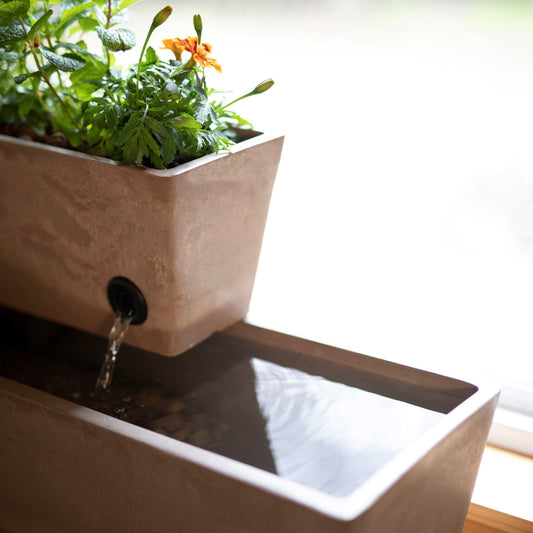
The AquaSprouts system is designed to be whisper-quiet. The only sound is a gentle trickle of water from the pump, which many find soothing. Because it's a self-contained, soil-free system, there is no mess from dirt, making it perfect for a clean classroom environment.
What happens to the system over school breaks (winter, summer)?
For short breaks (like a long weekend or winter break), the system is self-sufficient. An automatic fish feeder can be used. For longer summer breaks, a few options exist: arrange for a student or teacher to "babysit" the system at home, or have a custodian feed the fish once or twice a week. The plants are hardy and will continue to grow as long as the pump is running.
What initial costs are involved beyond the kit itself?
Besides the AquaSprouts Garden, you will need a standard 10-gallon aquarium, gravel for the bottom of the tank, a fish, fish food, plant seeds, and an aquarium water test kit (for liquid reagents). These are all readily available and affordable at most pet stores.